What is Public Ministry?
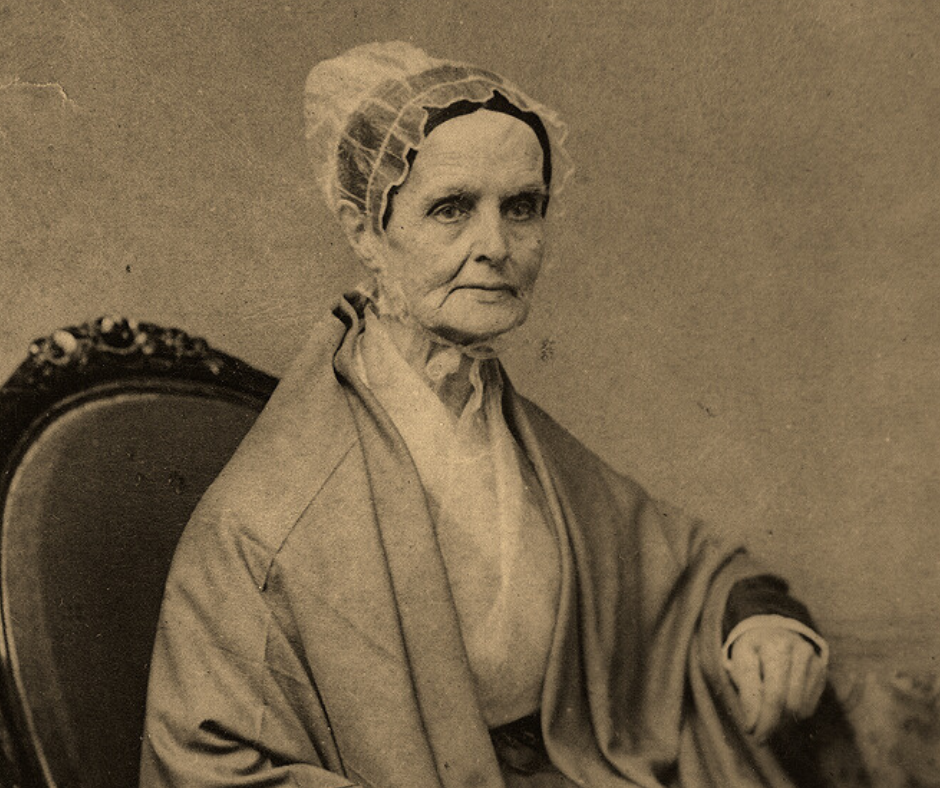
Lucretia Coffin Mott, recorded as minister in 1821 at the age of 28, traveled throughout the eastern US and England advocating for women’s rights and the abolition of slavery.
In the Quaker tradition, public ministry refers to Spirit-led service that is offered outwardly: speaking, traveling, writing, witnessing, caregiving, healing, organizing, or teaching. It has deep roots in our history—from early Friends who preached in marketplaces to modern Friends who labor for abolition, peace, environmental justice, right relationship, and healing. Public ministry is beyond the immediate community of the monthly meeting, to the wider Quaker world or the non-Quaker world.
Today, public ministry continues to call individuals into bold forms of love, listening, and truth-telling. But the communal structures that once held this ministry—eldership, discernment, recording, support—have often eroded. Sandy Spring Monthly Meeting, in an effort to restore these communal resources, has created a structure to provide support and accountability for those called to public ministry.

In the last two decades, Sandy Spring’s Ministry and Counsel Committee recognized the need to provide discernment, clearness, and support for Friends called to ministry outside our monthly meeting. The Committee recognized that some public ministers would require a more sustained and deeper commitment in order to remain faithful to their call.
A process was established in 2024 that would support a public minister called to longer and more involved commitment. This process includes appointing a clearness committee for mutual discernment. If clearness is reached that this call is rightly ordered and the meeting is clear to take the minister under our care, a Support and Accountability Committee (SAC) will be formed. The role of the SAC is to provide support, continuing clearness, discernment, and accountability. A special fund to support public ministers under our care was also established.
